

Lead in shotgun shooting
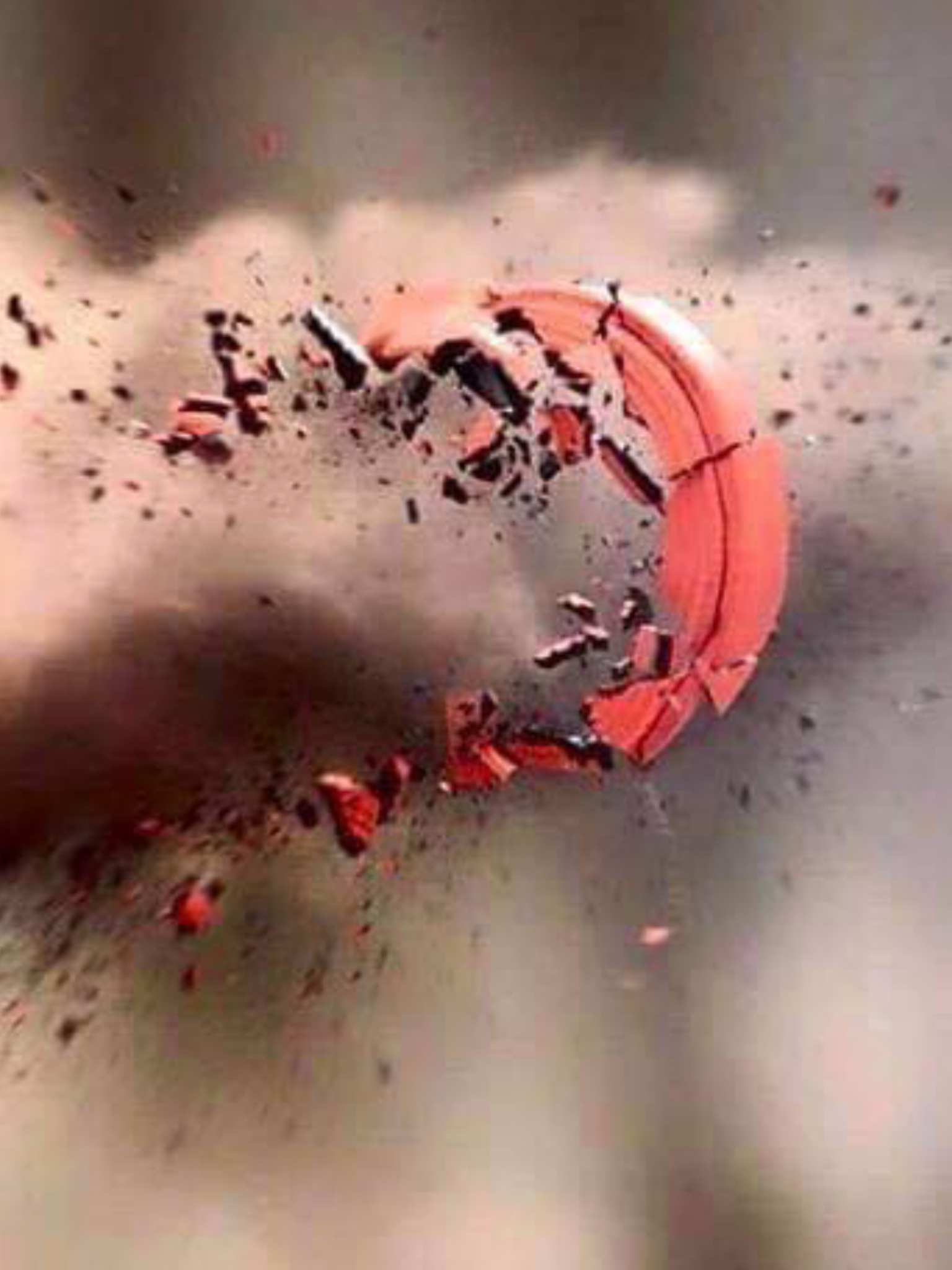
Understanding the concept of lead in shotgun shooting
By Liz Rymill
Unlike a lot of scattergun shooters, I didn’t get started in the sport until I was in my late 20s. My father, a former national serviceman, introduced me to the rifle as a child, but the shotgun was only produced to scare off birds from the orchard.
It wasn’t until I met my now husband that I was first introduced to clay target shooting and later, wing-shooting. Therein started the journey to understanding how to hit a moving object by shooting somewhere along its anticipated future flight path – mind bending!
A saying that has stuck with me, from an old English wing-shooting book, is: “When you’re shooting in the field and you want to do the biz, you’ve got to shoot where it’s going, and not where it is.”
Getting ahead
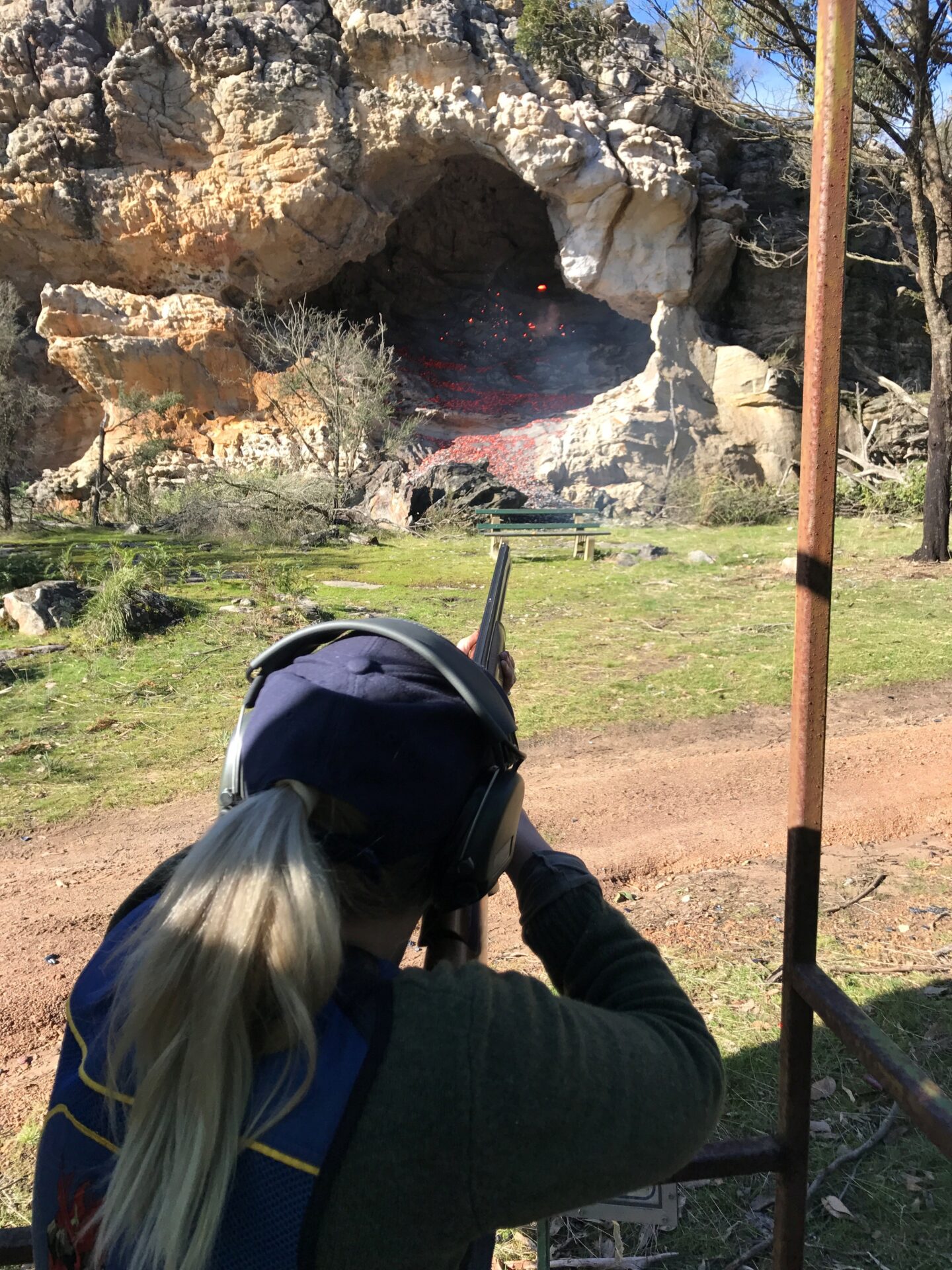
Shotguns are primarily used to shoot targets that are in the air and on the move, and to hit a flying target it is necessary to have the shotgun barrels pointing and moving in front of the target when the trigger is pulled. Why? Because the load of shot pellets need time to travel the distance from the end of the barrel to wherever the moving target is.
Ironically, the ‘aim of the game’ is to not aim at all. In other words, there’s no aiming at a moving target. The shotgun is swung smoothly and continuously, trigger discharged and movement ‘follows through’ much like a tennis racquet when striking a tennis ball: by watching the ball our brain and body calculate the timing of the shot, and the racquet continues to move after the ball is stuck (the follow through).
Shotgun shooting is a ‘hand eye’ sport, and it can be argued that it has more in common with golf and tennis, than rifle shooting. Now, if you’ve spent any time watching clay or wing shooting, you know that clays are thrown at all sorts of distances and angles – and indeed, ducks and fowl fly at varying speeds and trajectories. Thus, your lead will be different for each ‘presentation’.
So, how to figure out all those different leads? Practice and experience — connecting with lots of different targets at all those different angles and distances — will gradually build up a library in the shooter’s mind.
Acquiring lead
For the shotgun shooter, the need to calculate lead is only one part of the equation – the other is utilising a method to attain it, and there are three key methods: sustained or maintained lead, swing-through and pull-away. There may be other names for these, or variations of, but these three key methods ought to be understood, experimented with and used in the shooter’s tool bag, depending on the nature of target or wing shooting activity.
Sustained/ maintained lead
Sustained lead requires the shooter to keep the muzzle travelling ahead of the target the entire swing – or, starting in front and staying in front – until the shot is completed. It’s the method most commonly adopted in skeet (where target presentations are known) and increasingly in sporting clays. Once the shooter builds up a visual library of target presentations, the brain can quite readily adopt this method of acquiring lead and consistently breaking targets at a chosen break point.
Swing-through
The name of this type of lead acquisition tells much of the story; with swing-through, the shooter calls for and visually acquires the target, moves the barrels toward – on – and then past the target, speeding up slightly on passing, and then discharging the shot while still moving the barrel (following through). This type of instinctive lead acquisition is common and successful in the field, as long as the shooter maintains visual focus on the target/ bird.
Pull-away
Pull-away is actually a variation of pull-through – and favoured among English sporting shooters – but instead of starting the swing with the barrel inserted behind the clay target, the muzzle ‘joins up’ with the flying target, stays on it for a short distance, and then accelerates away from the target along its anticipated future path, while firing.
Some shooters find this lead type a little easier to learn than swing-through because if personal timing is a little out, all is not lost. The key to both, though, is that the muzzle of the shotgun must be moving faster than the target when the trigger is pulled, otherwise the shot will be missed behind.
This method works for a variety of different shots at just about any distance, angle and speed. In fact, many experienced shooters prefer this both for very long clay bird shots, as well as finding it particularly good for shooting in tight cover. As with any of the other methods, follow-through is critical.
