

When I tried to sell kangaroo leather to America
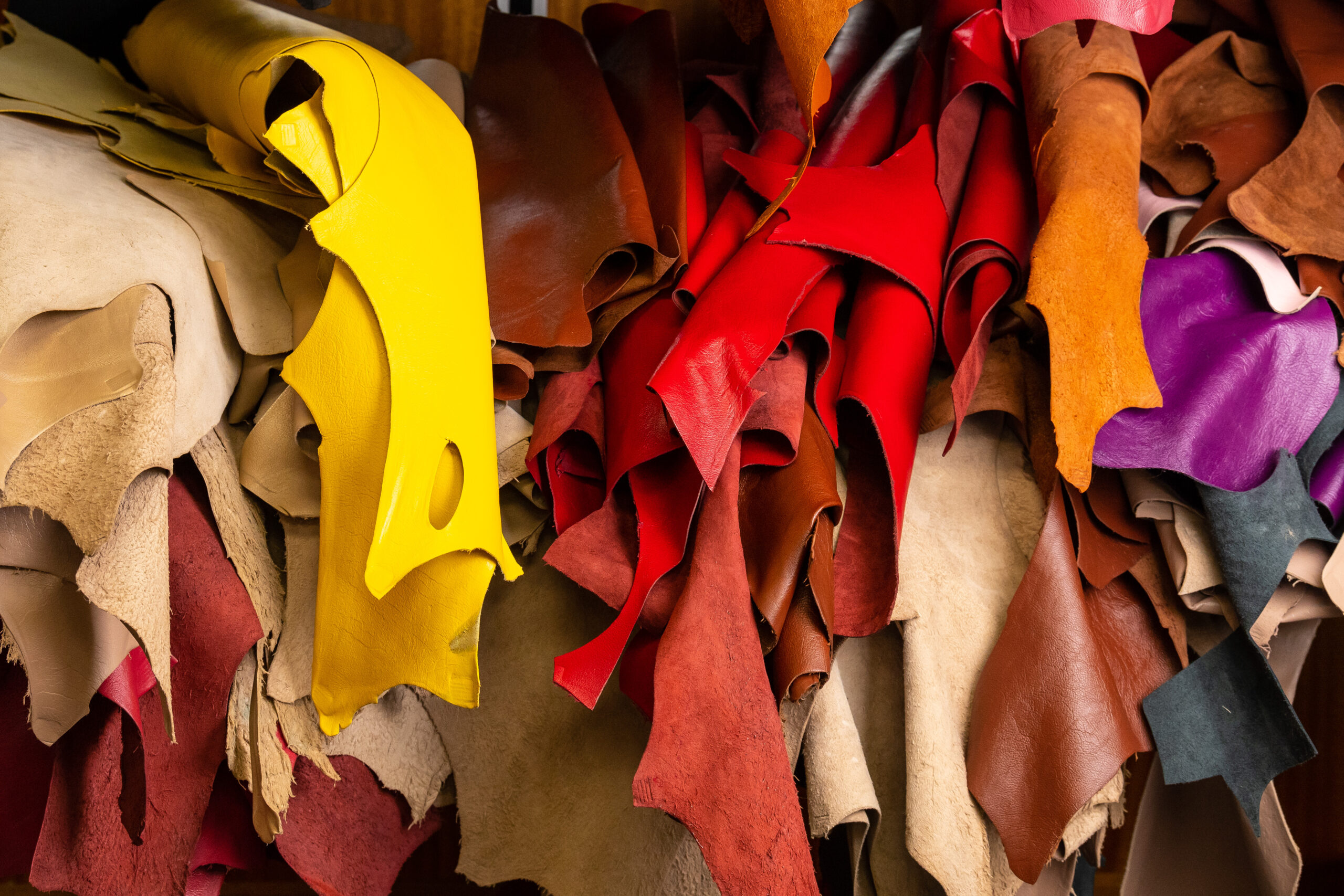
By Robert M. Walkley
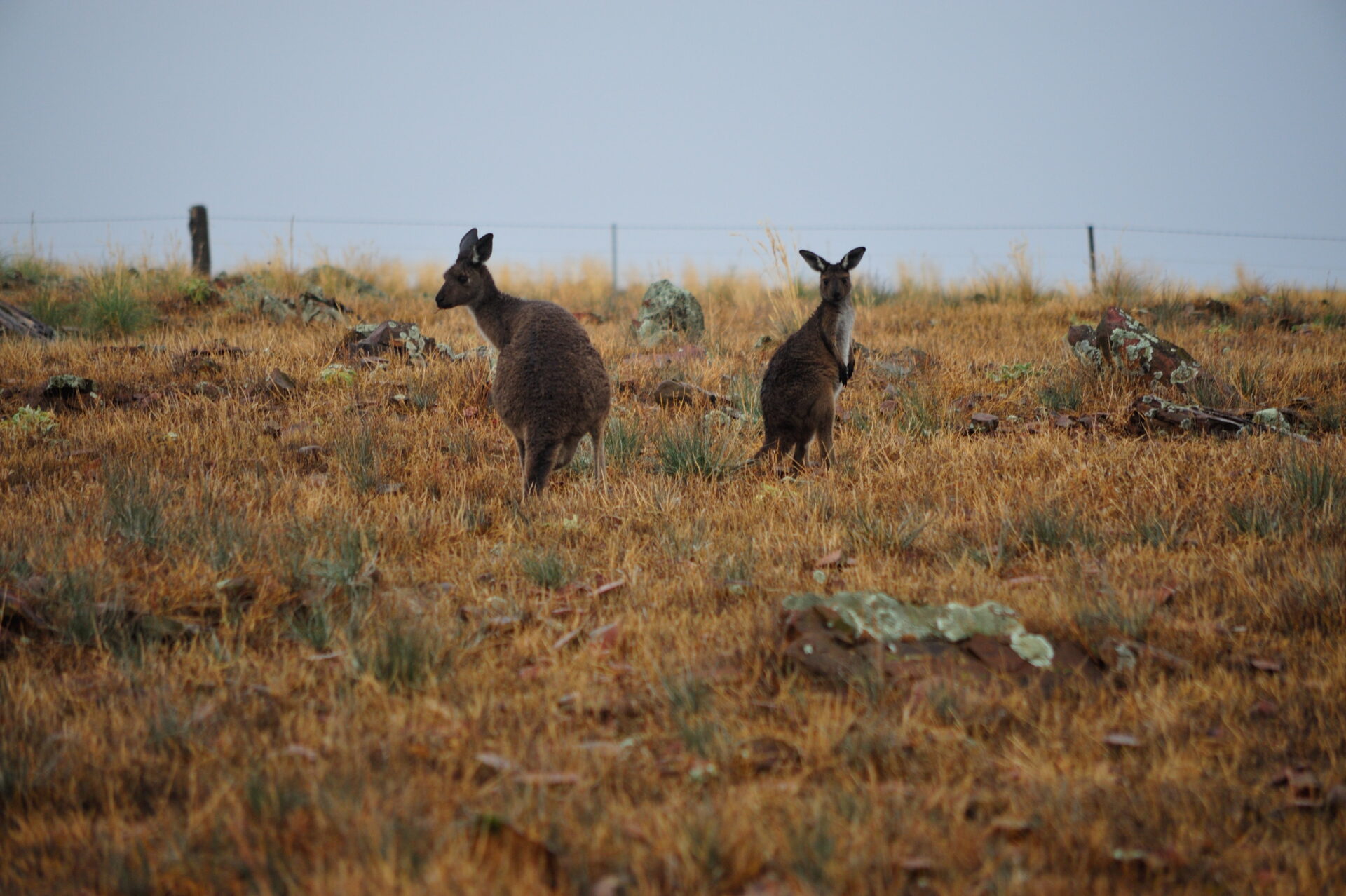
There are no shortages of kangaroos in Australia, meaning the potential for leather production is sustainable. Image: Tim Bannister
Back in the 1970s, I was a young Yank who had made the unlikely decision to settle in Australia after that little party my country threw for us all over in Southeast Asia. I’d come from a place where opportunity was something you went out and made for yourself, and when I arrived here, I was taken by the vastness of the land and the abundance of its wildlife. One animal, in particular, caught my attention – not just for its symbolic value, but for the commercial potential it represented: the kangaroo.
At that time, Australia was culling more than a million kangaroos a year. I remember reading that figure – 1.2 million – and thinking, surely there must be a way to make something of that. Kangaroo leather, as I discovered, was extraordinarily strong, lightweight and beautiful to the touch. The stuff was prized by those who knew its properties, but the rest of the world didn’t seem to. I thought I might change that.
So, I did what any optimistic newcomer might do—I set out to export it to America.
After navigating the red tape, securing the necessary permits, and learning far more about hides, curing and packing than I ever expected, I managed to gather about a hundred kangaroo skins. I bundled them into big bags, tagged and certified, and flew with them as cargo.
As I walked through U.S. Customs, a big black fellow sitting on a high stool called out in a deep, gravelly voice, “What you got there?”
I told him, “You’ll never believe me.”
He grinned and said, “Man, I’ve seen everything.”
“Okay,” I said. “Kangaroo skins.”
He blinked. “No shit.”
“Want one?” I asked, thinking it might grease the wheels a little.
He paused, looked around guiltily, and said, “Hell, no… well, hell yeah.”
I handed one over, and he waved me straight through.
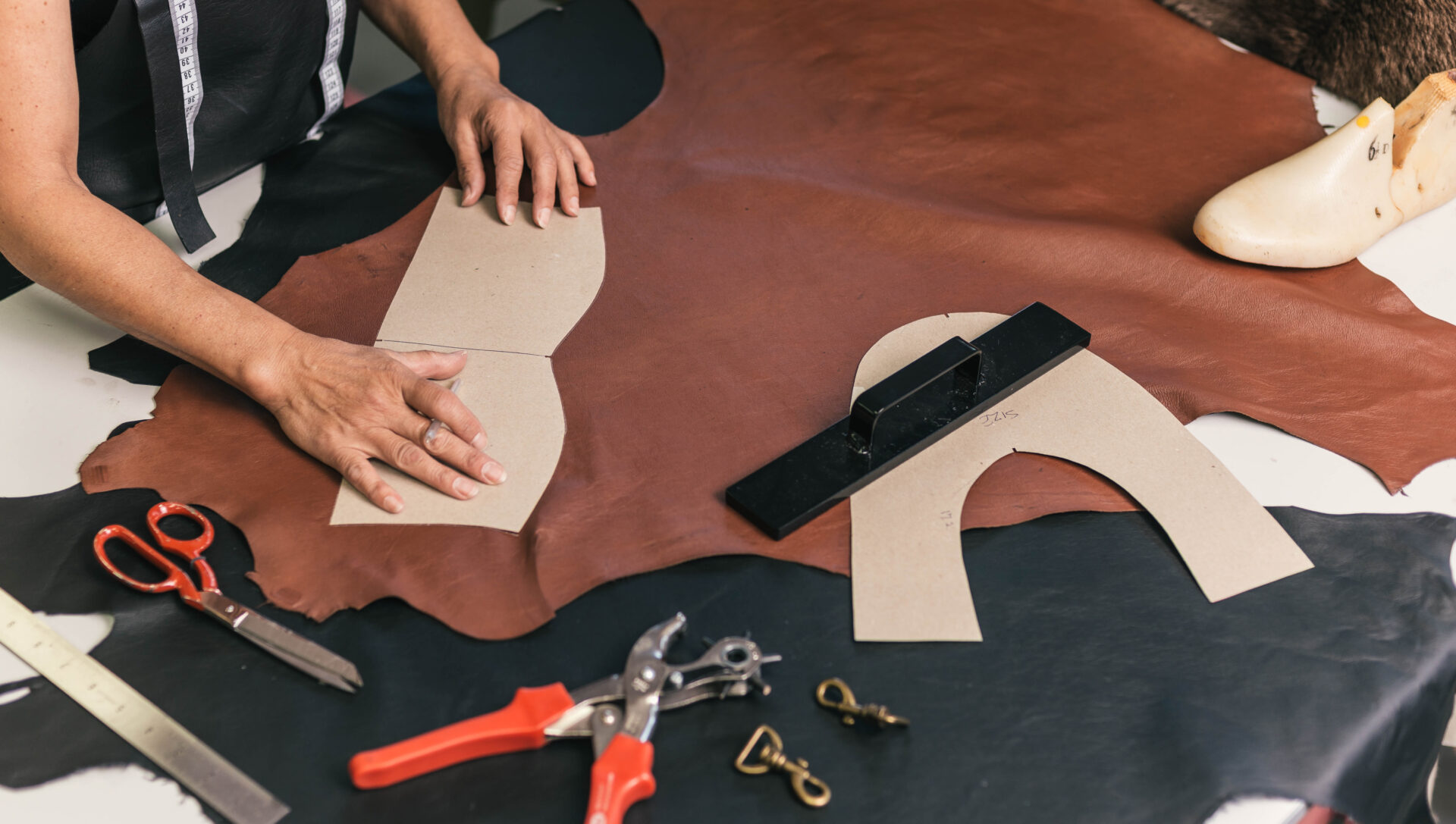
Once back on American soil, I set about knocking on the doors of leather companies up and down the East Coast—Boston, New York, Philadelphia, Washington—probably ten in total. Every one of them knew far more about leather than I did. They talked about tensile strength, stretch, flexibility, stitching properties, and even how a buttonhole would wear. I learned a lot in those few weeks.
But every meeting ended the same way. They admired the leather, praised its quality—and then politely refused.
“Sorry,” they’d say. “We can’t touch kangaroo.”
When I asked why, they’d all tell me the same story: they’d been told that kangaroos were endangered, that they were cruelly hunted, that the industry was barbaric. No matter what facts I offered—that the animals were culled under strict quotas, that their numbers were in the millions, that the industry was sustainable—it didn’t matter. Their customers had already made up their minds, thanks to the campaigns of well-funded pressure groups painting Australia’s kangaroo harvesters as villains. “You’re killing Skippy,” they all said.
One executive actually said, “We know the facts, but our customers don’t—and we can’t afford to educate them.”
So, that was that. My great kangaroo-leather export venture ended before it really began. I left the skins with my sister; a few were given away, the rest eventually went to the dump.
Looking back now, four decades later, it still strikes me as ironic. Here was one of the most abundant, well-managed wildlife resources on earth – humanely harvested under government oversight, producing one of the finest, strongest leathers known to man, and it couldn’t find a place in the market because of misinformation and emotional politics.
The same battle, it seems, is still being fought today. I recently read The Report (August 2025) article lamenting the struggle to market kangaroo leather because of the same misguided pressure from overseas. It’s frustrating, because the truth hasn’t changed: the kangaroo harvest remains ethical, sustainable and ecologically sound. Yet, mythology persists.
For me, that experience back in the ’80s was a lesson…not about business, but about perception. In the marketplace of ideas, facts often play second fiddle to feelings. And once people make an emotional connection with an image, no matter how false, it can take generations to undo it.
Still, I remember that customs officer’s grin when I handed him that kangaroo skin. “Hell yeah,” he said.
At least one American, that day, appreciated what we were offering.
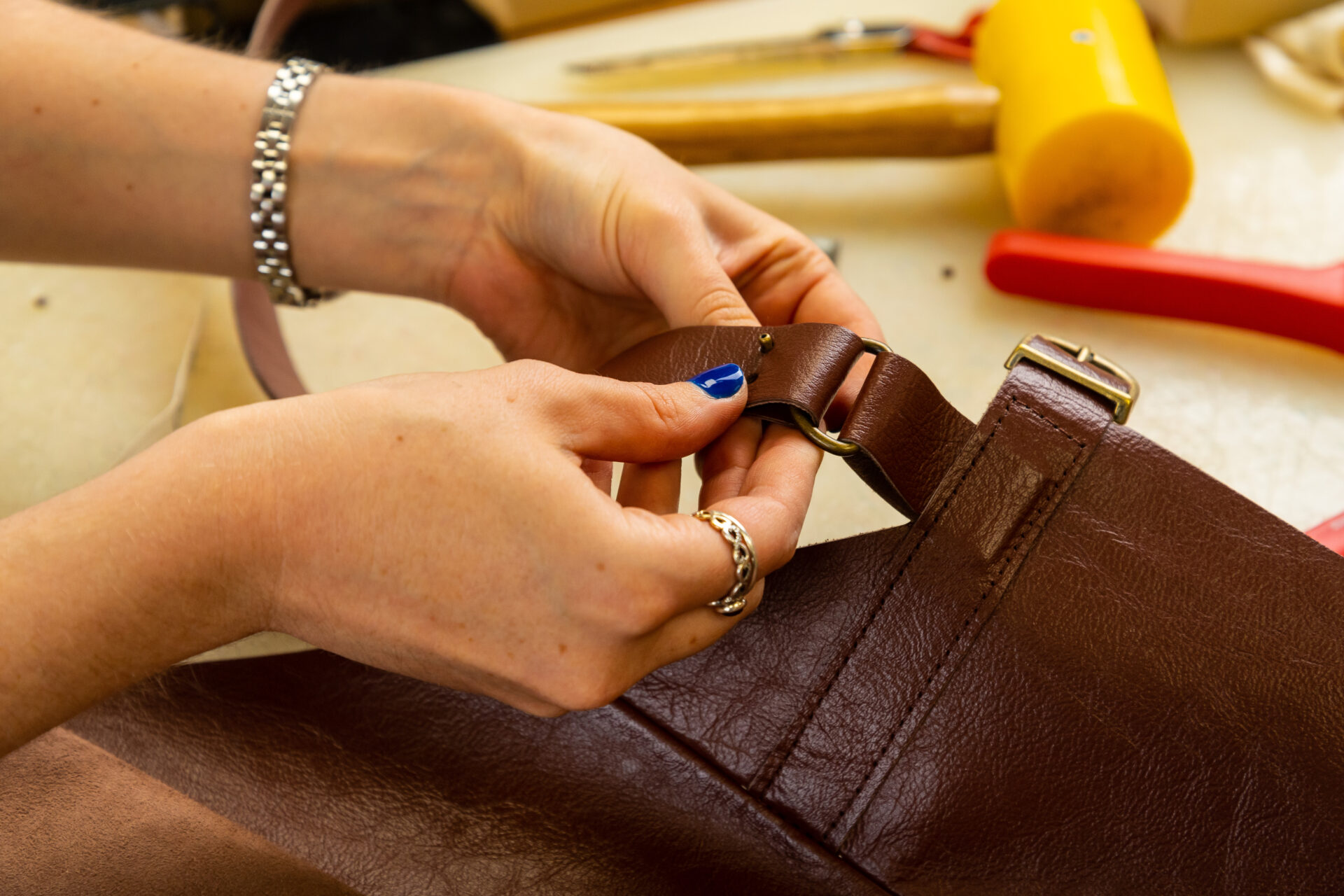
Leather companies are well aware of the benefits of kangaroo leather, but they cannot convince their misguided customers. Karmine Leather, South Australia, Photo: John Krüger
