

The good old days are now
By Jurgen Schwanecke
New Zealand has long been a sought-after international hunting destination. Hunters from Europe, North America and beyond travel to its mountains in pursuit of free-range, high-fence (private estate hunting) and extensive public-land game animals. The country’s guided hunting sector alone is estimated to generate more than $100 million annually. Given their proximity and shared hunting culture, it is no surprise that Australians are among those best positioned to take advantage of what New Zealand has to offer.
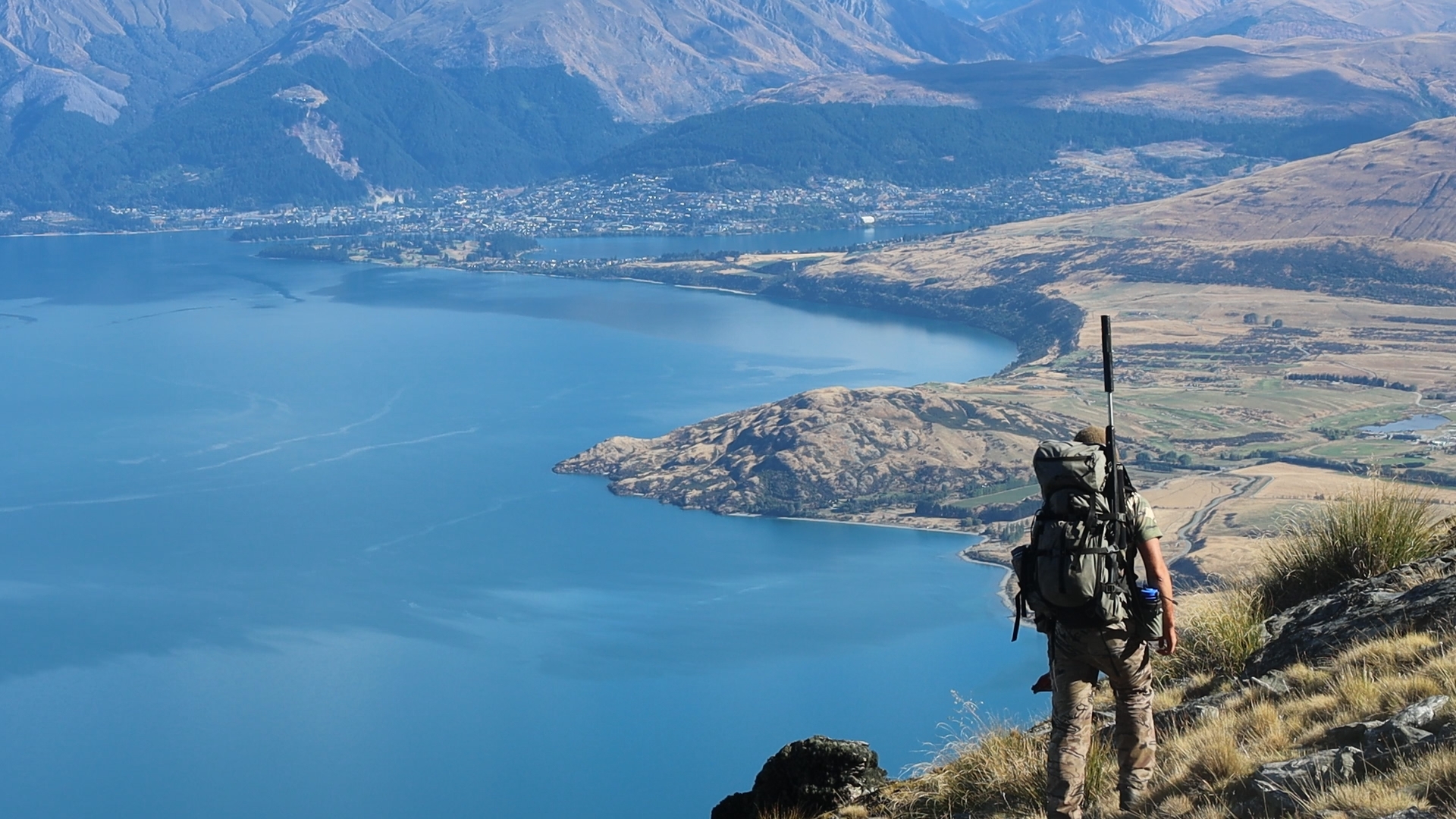
New Zealand sports a diverse landscape of temperate rainforest, alpine tussock and everything in between. In the far north, you might find white beaches and palm trees. Whereas in the South Island, you might traverse glacial valleys. As varied as the terrain is, so too are New Zealand’s game animals. The country is home to seven species of deer: red, sika, fallow, whitetail, rusa, sambar and wapiti – alongside two alpine goat species: chamois and Himalayan tahr. Feral goats, sheep and pigs further add to the diversity of big-game hunting opportunities. New Zealand also offers a multitude of small-game and waterfowl hunting opportunities. Mallard ducks, Canada geese, pheasant, quail, wild turkeys, rabbits, hares and wallabies also inhabit both public and private land.
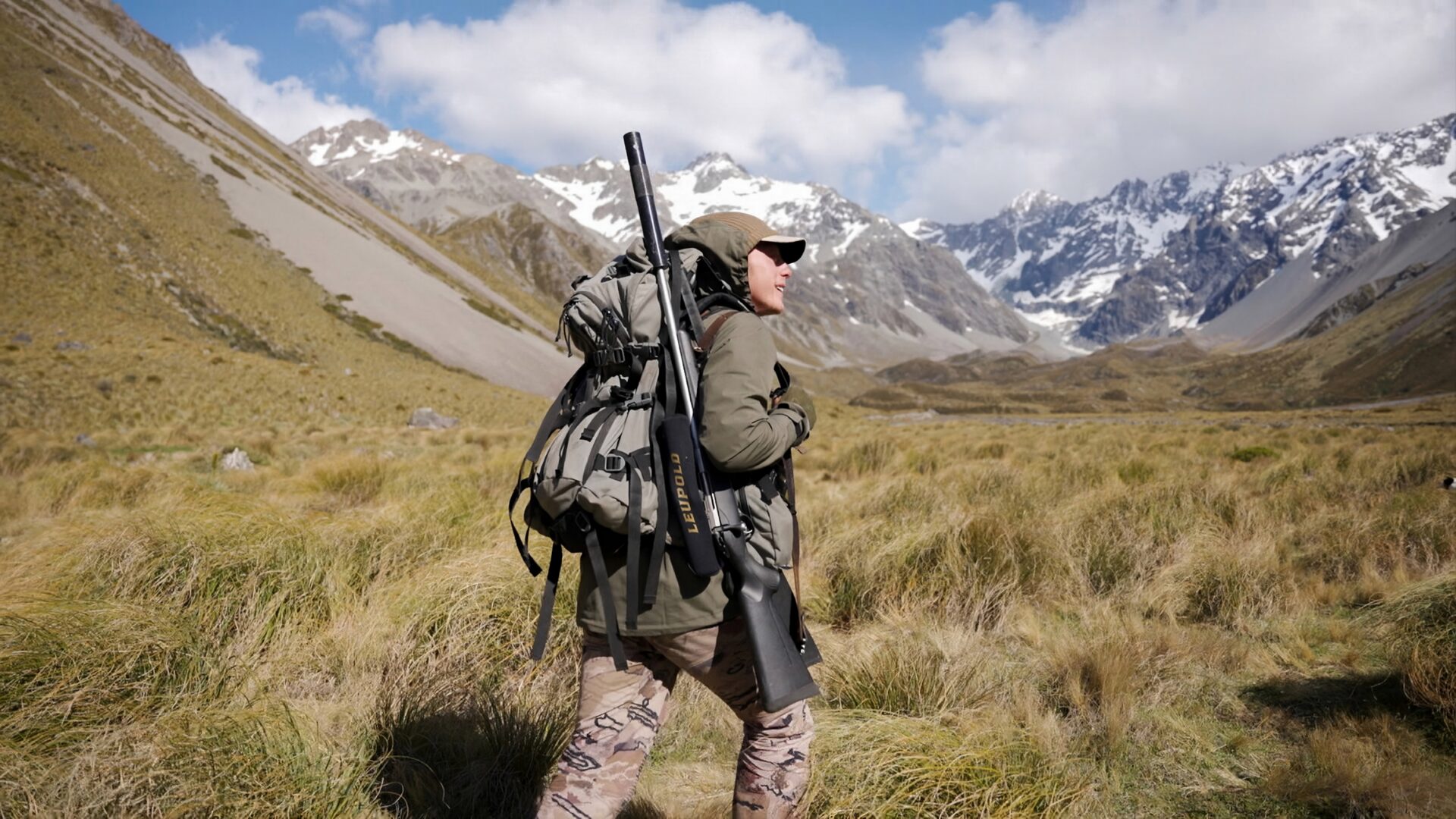
For Australians travelling to New Zealand to hunt big game, hunting rules and regulations are not dissimilar to those at home. New Zealand has no game seasons nor bag limits for any species other than game birds. Practices such as spot lighting and using night vision to hunt are completely legal on private land. Blaze orange is not a legal requirement either. New Zealand’s vast public lands, unlike most of Australia, are open for hunters. Public conservation areas, wilderness areas and even national parks are managed by the Department of Conservation (DOC) and are open year-round to hunting, albeit with some exceptions.
In higher-pressure areas, such as parts of Otago, South Westland, and the Fiordland wapiti blocks, access is managed through a balloted system during the peak period of the roar. Similarly, helicopter access into designated wilderness areas is balloted during the winter tahr rut. For most hunters, however, access remains straightforward. The majority of public land is covered by a simple open-area permit – a document that can be completed online in minutes. Combined with regularly updated information from the DOC website, navigating where and how to hunt in New Zealand is remarkably accessible.
Waterfowl and upland game hunting can be decidedly more difficult if not going through a specialised outfitter. The season begins the first weekend of May and runs through till August, depending on the region and species being hunted. Birds such as Canada geese, wild turkeys and peacocks are not subject to this rule, meaning you can hunt these species all year round, even with a rifle. Shotguns are not typically allowed on public land, though a special permit can be obtained from DOC; .22 Calibre rifles for rabbits, hares and wallabies aren’t permitted on DOC land either but similarly are on private land.
Getting your firearms to NZ
Perhaps the biggest headache for any person planning their New Zealand trip is the idea of bringing a firearm into the country. Aside from a degree of paperwork, this is a relatively painless venture. To bring your own firearm into New Zealand, you must obtain a visitor’s firearms licence. This is an online form from New Zealand’s Firearm Safety Authority. Travel plans, firearm details and identification need to be provided. The two most important parts of this process are providing your Australian firearms licence and the requirement of a secure storage address in New Zealand (meaning a gun safe). If you’re hunting with a New Zealand friend or guide, this doesn’t pose much of a complication. For the DIY hunter, this most certainly can. Luckily, there is an ingenious solution in the form of New Zealand hunting stores such as Gun City and Hunting and Fishing New Zealand being happy to check this box for overseas hunters.
Travelling with a firearm in a vehicle is permissible so long as your firearm is locked in a case, and any ammunition is separately locked away. It’s important to note that it is perfectly legal to leave the airport, drive to your hunting location and back to the airport without ever needing to store a firearm within a safe. It’s recommended that this process be started roughly four months prior to your intended trip. It’s also totally legal to use a friend’s or guide’s firearm as long as they are within arm’s reach. You may not get to use your rifle, but if you fear the rigamarole of paperwork, this is the easiest option.
One of the most strenuous hoops to jump through in heading to New Zealand is the country’s vigorous and strict biosecurity rules. Particularly, camping and hunting gear needs to be declared or you may face hefty fines. Ideally, items like boots and packs should be scrubbed cleaned before flying, though they will likely be sanitised again upon arrival. Items such as tents are of particular interest, as they typically harbour seeds. Hunting knives are best specifically declared as well, even if unnecessary in most cases. Declare all items in your possession, and you are very unlikely to have a problem.
To bring meat home from New Zealand, it cannot be of avian or pork variety. Red meat from deer, sheep and goats is theoretically fine as long as it is travelling straight from New Zealand, intended only for personal consumption and, most importantly, packaged by an approved processing facility. Generally, it wouldn’t be recommended to try to bring meat home; a better option is to donate it to groups like Hunters4Hope.
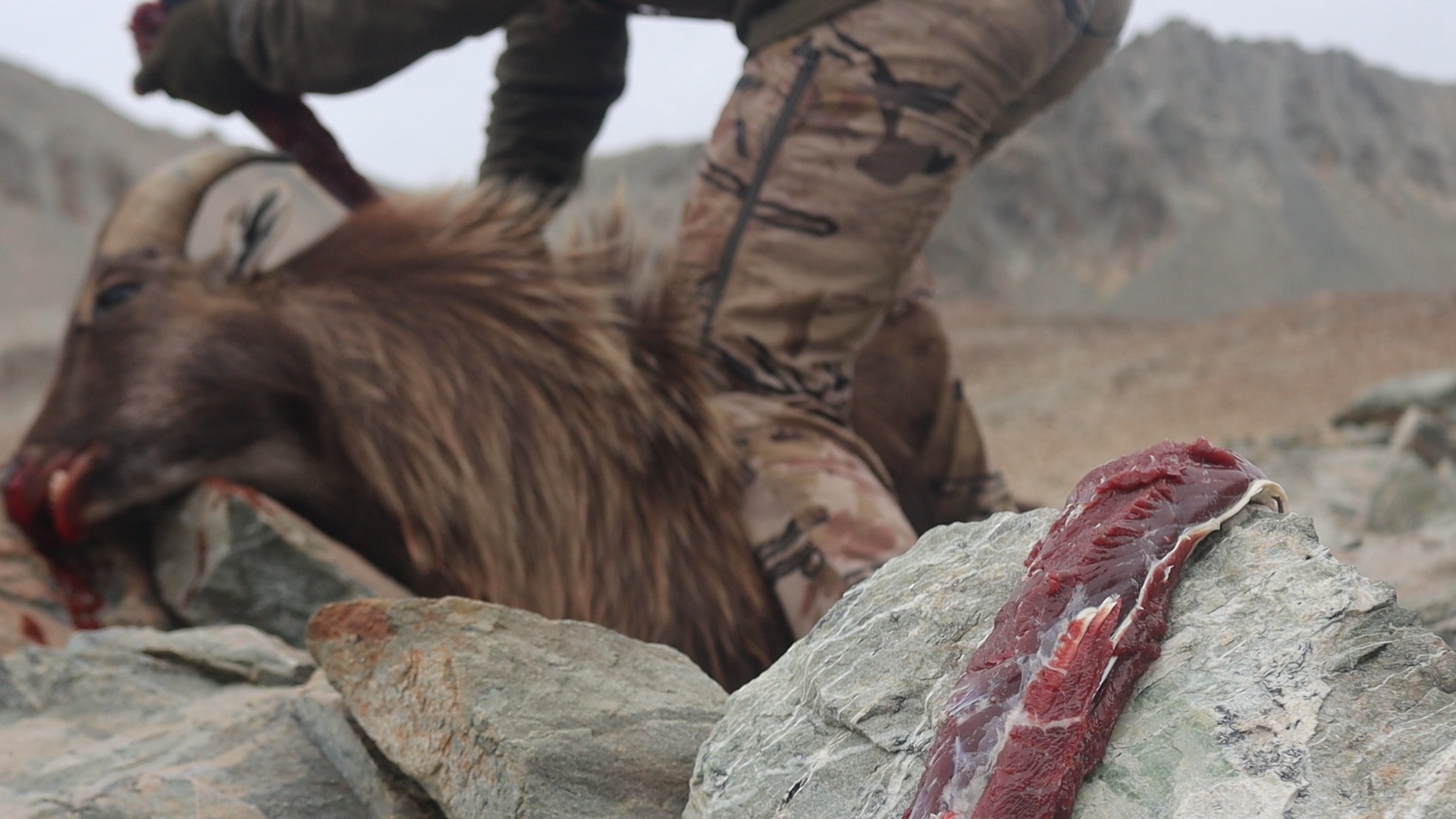
In the case of trophies, animal hides and skulls, the best course of action is generally to take your items to a reputable taxidermist. At the very least, a taxidermist can expedite (processed to be sent to an Australian taxidermist for mounting) your animal. Professionally tanned hides are typically fine if declared, but as in the case of the Himalayan tahr, a CITES-listed animal (Convention on International Trade in Endangered Species), it would be hard for biosecurity staff in Australia to differentiate between an illegal skull or cape and one from New Zealand. Further verification is needed in the form of an import permit – most conveniently done by experienced Kiwi taxidermists.
New Zealand is the perfect place for either the ‘do it yourself’ or lodge style of hunt, with nearly everything in between available. The average high-fence hunt can typically be expected to cost over $20,000 after things like accommodation and trophy fees are accounted for, though this figure can range greatly depending on what’s on offer. With New Zealand’s extensive public land, the everyday man is perfectly capable of planning his own hunt with a good chance of success, so long as he has a good degree of fitness. Prolific public access and abundant backcountry huts, partnered with a wealth of information online, make this by far the cheapest option. Bookable self-guided private hunting blocks and guided free-range and public land hunts are often more consistent while still keeping the price down. New Zealand is not an international hunting destination beyond anybody’s abilities.
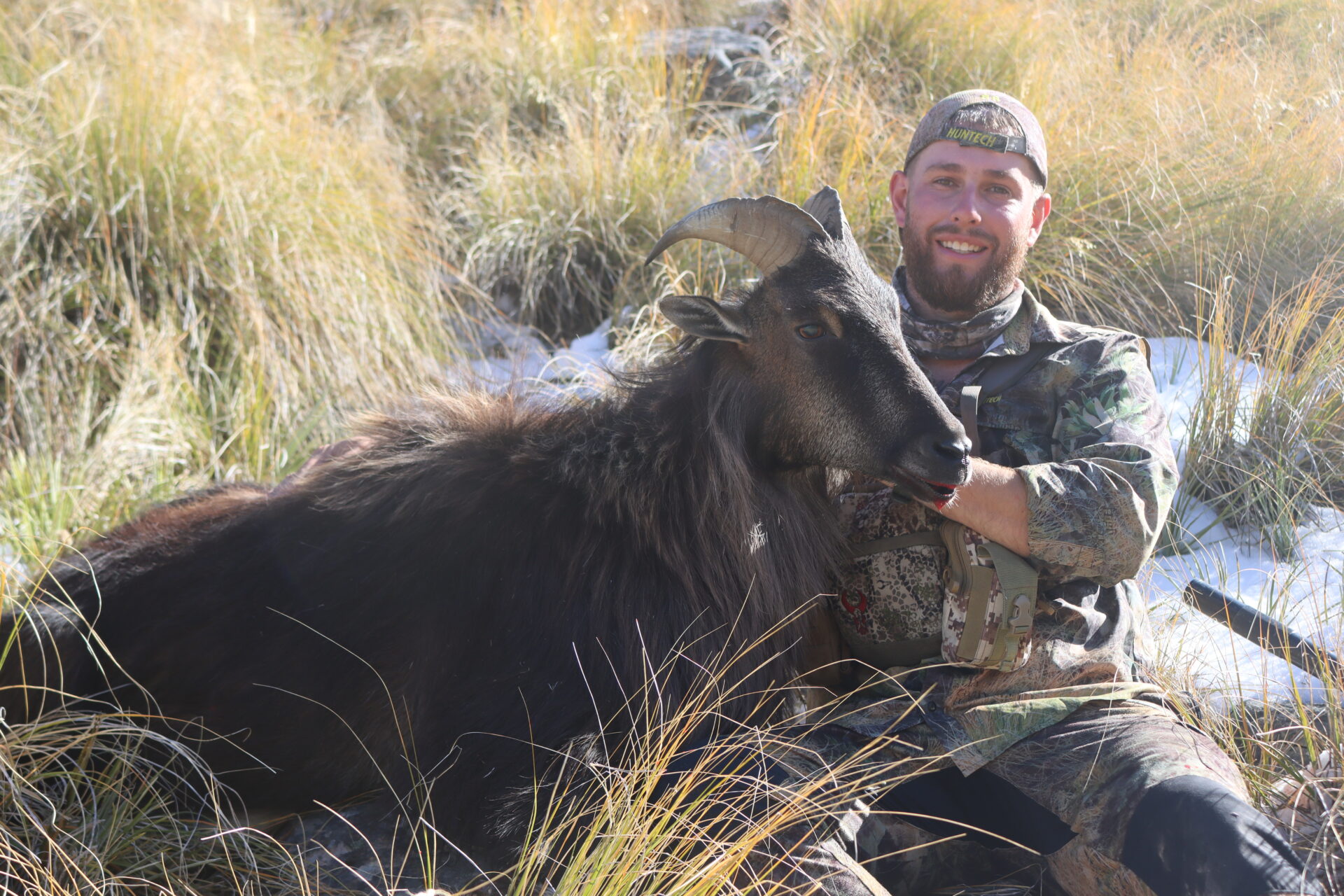
The environment of New Zealand is varied and rarely predictable. Fiordland National Park sees roughly seven metres of rainfall annually. The country contains dense, impenetrable bush and steep, often impassable terrain. No matter what style of hunt, fitness and fortitude are of utmost importance. Just as are adequate rain gear and better walking boots. New Zealand’s island nature makes it very susceptible to fast-acting weather changes. Beyond its epic alpine scenery, New Zealand has some of the best hunting opportunities and rights in the world, including the Himalayan tahr as an example, effectively a species of mountain goat. An equivalent hunt in North America or Asia might cost as much as $100,000 and is almost impossible to do without going through an outfitter. For Australians, genuine accessible mountain hunting is just over the ditch.
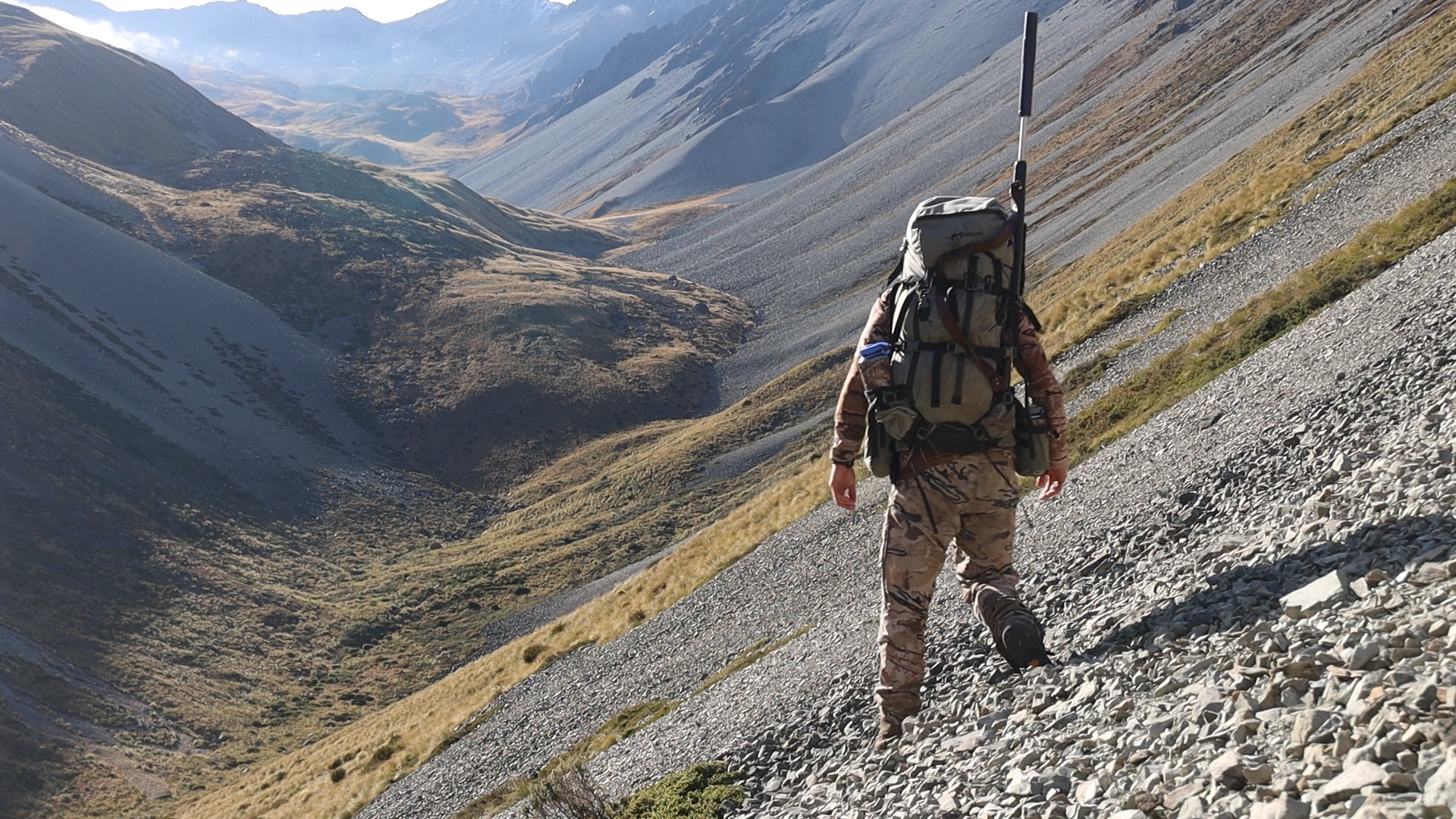
New Zealand is a country of great opportunity for sportsmen and outdoorsmen alike. Not only does the country have an abundance of game animals, but it also offers fantastic fishing, camping and four-wheel driving possibilities. It could be considered easier than many Australian hunts. The good old days of hunting in New Zealand are not behind us; they are happening now.
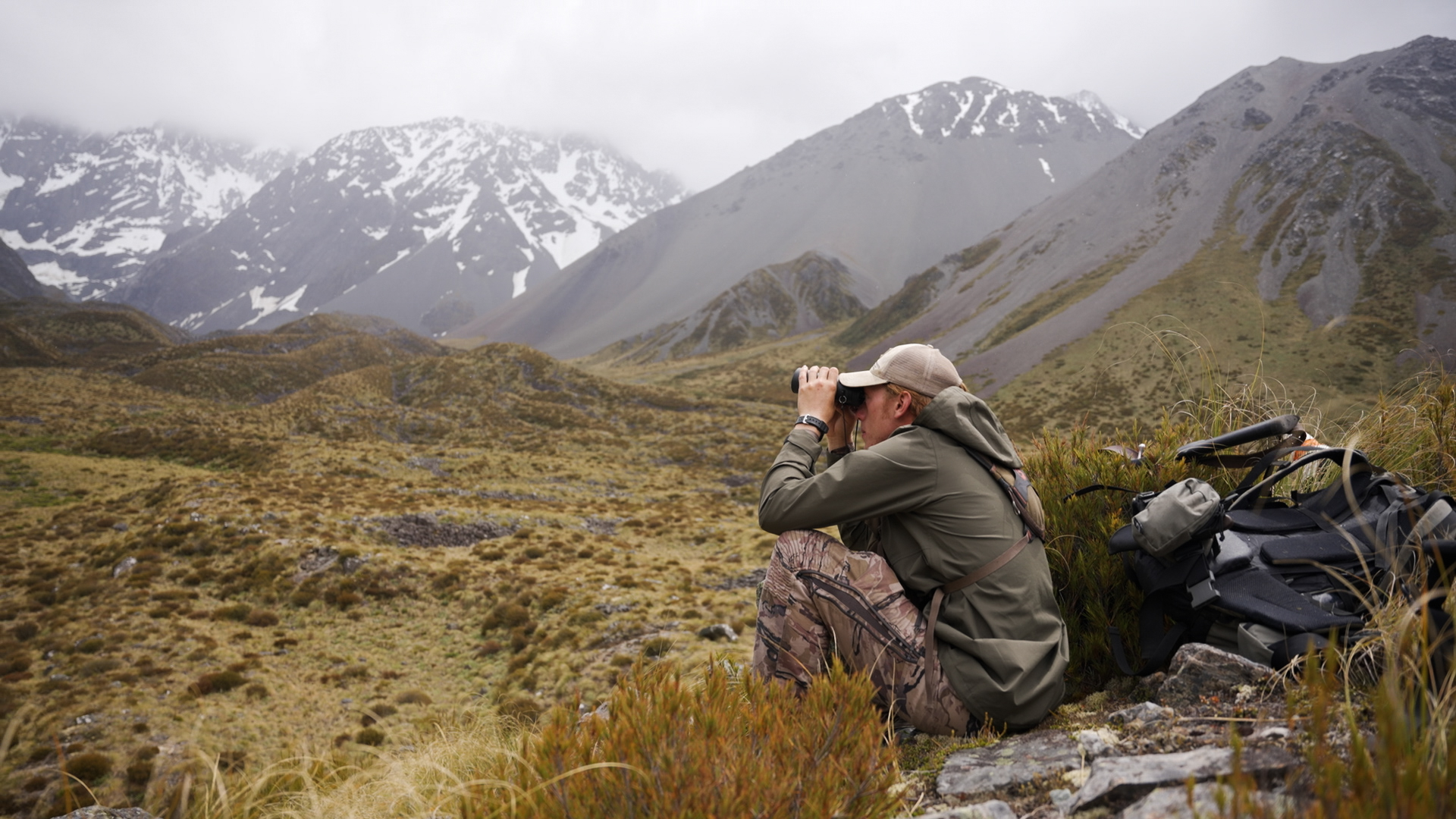
- Roughly 30 per cent of New Zealand is designated as public DOC land.
- Bowhunting, crossbow hunting and even black powder rifle hunting are all legal in New Zealand.
- Unlike Australia, suppressors are readily available and widely used by New Zealand’s hunting community.
For those who want to insure their firearms when hunting in New Zealand, take out Deporte Mutual Members Firearms Protection for just $35. Members receive up to 28 days coverage in New Zealand and 12 months in Australia. Firearm protection is value up to $25,000. Call (07) 3281 3447 to get your protection.