

Stop guessing, start ‘scoping’
Why every shooter should invest in a borescope
By Isaac Williams
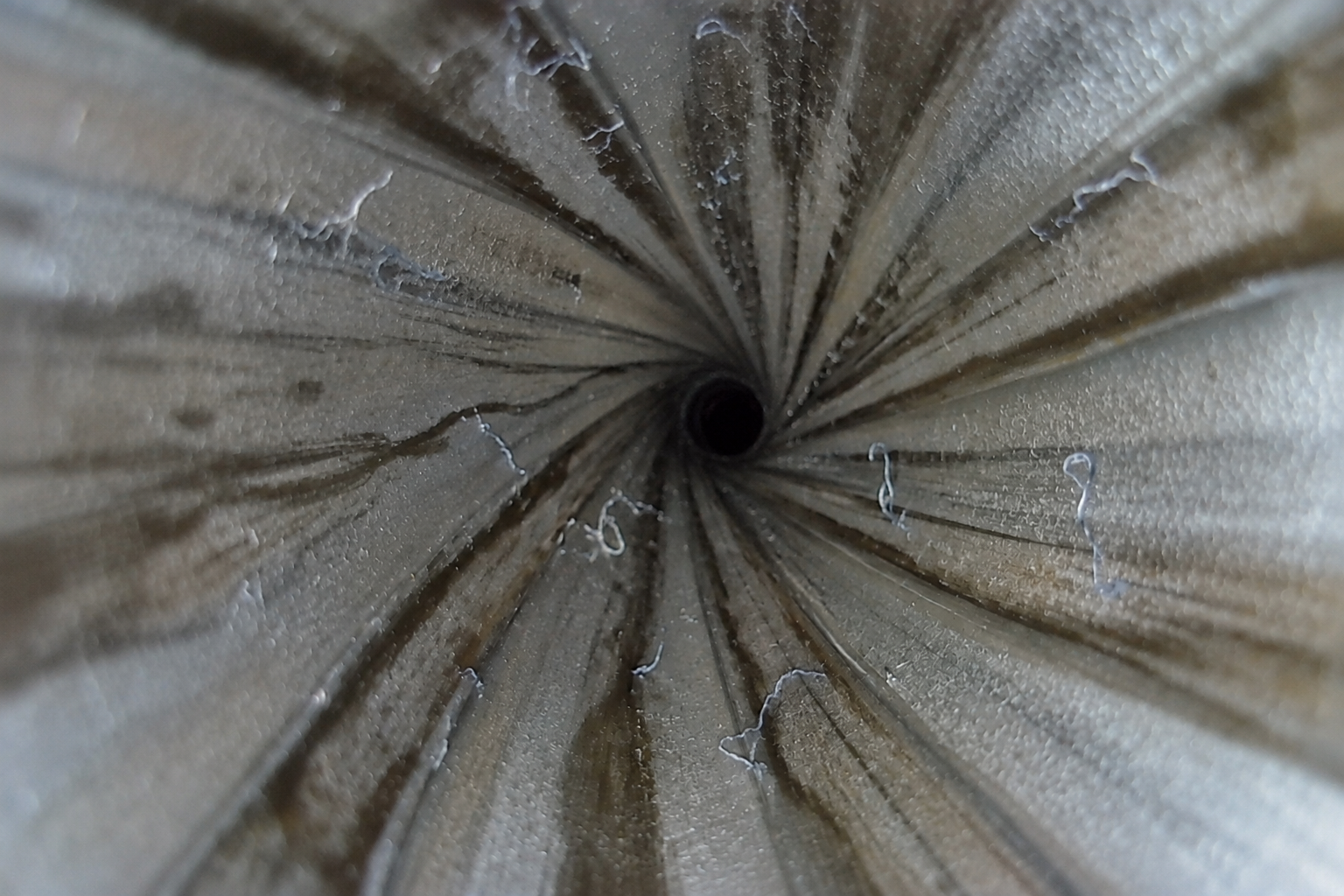
(Note: The top image was taken after a solvent-soaked patch had already been pushed through the barrel. Even after one cleaning pass there’s still fouling, solvent residue and patch fibres visible under magnification. It’s a good reminder that one wet patch and a quick scrub usually isn’t doing nearly as much as people think it is.)
For most of my shooting life, cleaning a rifle meant doing what everyone else does – the way your old man showed you…and the way his old man showed him. No one really knows why, but that’s just how it’s done. Drag a bore snake through it or give it a quick brush, run a few patches, and when the patches look ‘clean enough’, you call it good. We judge the cleanliness of the barrel by the cleanliness of the patches. Job finished. Or so I thought.
The reality is, most of us have no idea what’s actually going on inside our barrels. We’re guessing.
A borescope takes that guesswork and throws it straight in the bin. The first time you use one, it’s a bit of a wake-up call. You take a rifle you’re convinced is clean, feed the scope down the bore, and suddenly you’re staring at copper streaks, carbon build-up and all sorts of things that were completely invisible five minutes earlier. It’s one of those moments when you realise you’ve been flying blind for years.
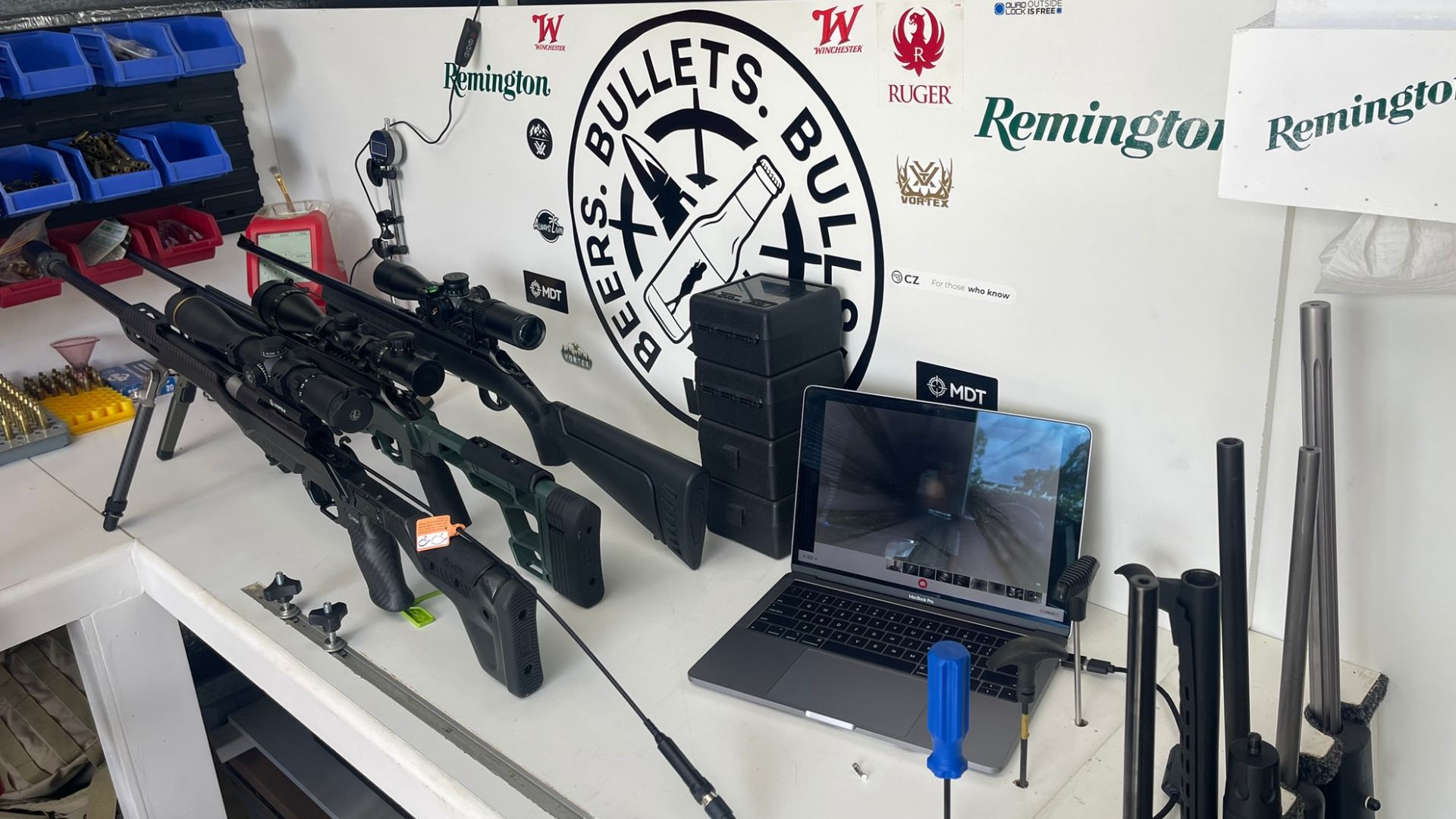
A borescope is nothing more than a small camera designed to look inside the barrel, but what it shows you changes the way you think about maintenance completely. Instead of assuming everything is fine, you’re working with actual information. You can see the condition of the steel, the fouling left behind after shooting and the areas where wear is starting to show. That alone makes it worth the money.
One of the biggest eyeopeners for most shooters is copper fouling. You can run patch after patch through a barrel and think you’ve done a great job, only to look through a borescope and find the bore still streaked with copper. It hangs on far more than people realise, and it has a direct impact on how a rifle performs. Accuracy drops off, consistency suffers, and you’re left chasing problems without understanding the cause.
With a borescope, there’s no guessing. You either removed it or you didn’t. It also stops you going the other way – over-cleaning. Plenty of rifles get more attention than they need simply because the owner doesn’t know when to stop. Chemicals, brushes, endless patches…all of it adds wear over time. When you can actually see the bore, you clean to a result instead of cleaning out of habit. That’s a big shift.
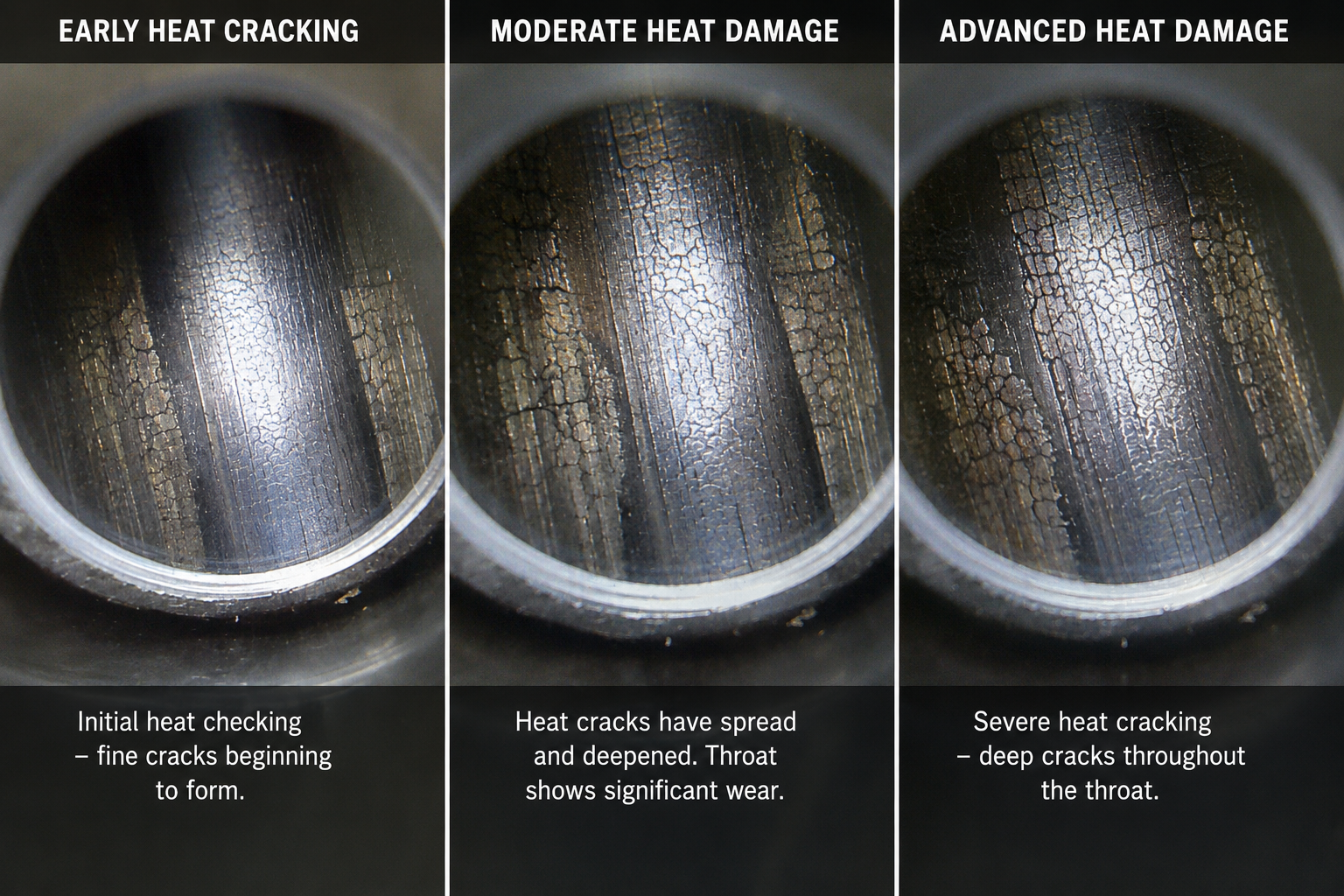
Another area where a borescope proves its value is in picking up early signs of wear. The throat of the barrel, just ahead of the chamber, cops the most punishment. Heat, pressure, and friction all come together in that one spot, and it doesn’t take long before you start to see fire cracking and erosion. Without a borescope, you won’t notice it until accuracy starts to fall away. By then, the damage is already done.
With a scope, you can monitor it over time. You start to understand how your barrel is wearing, how quickly it’s happening and what kind of life you’re realistically going to get out of it.
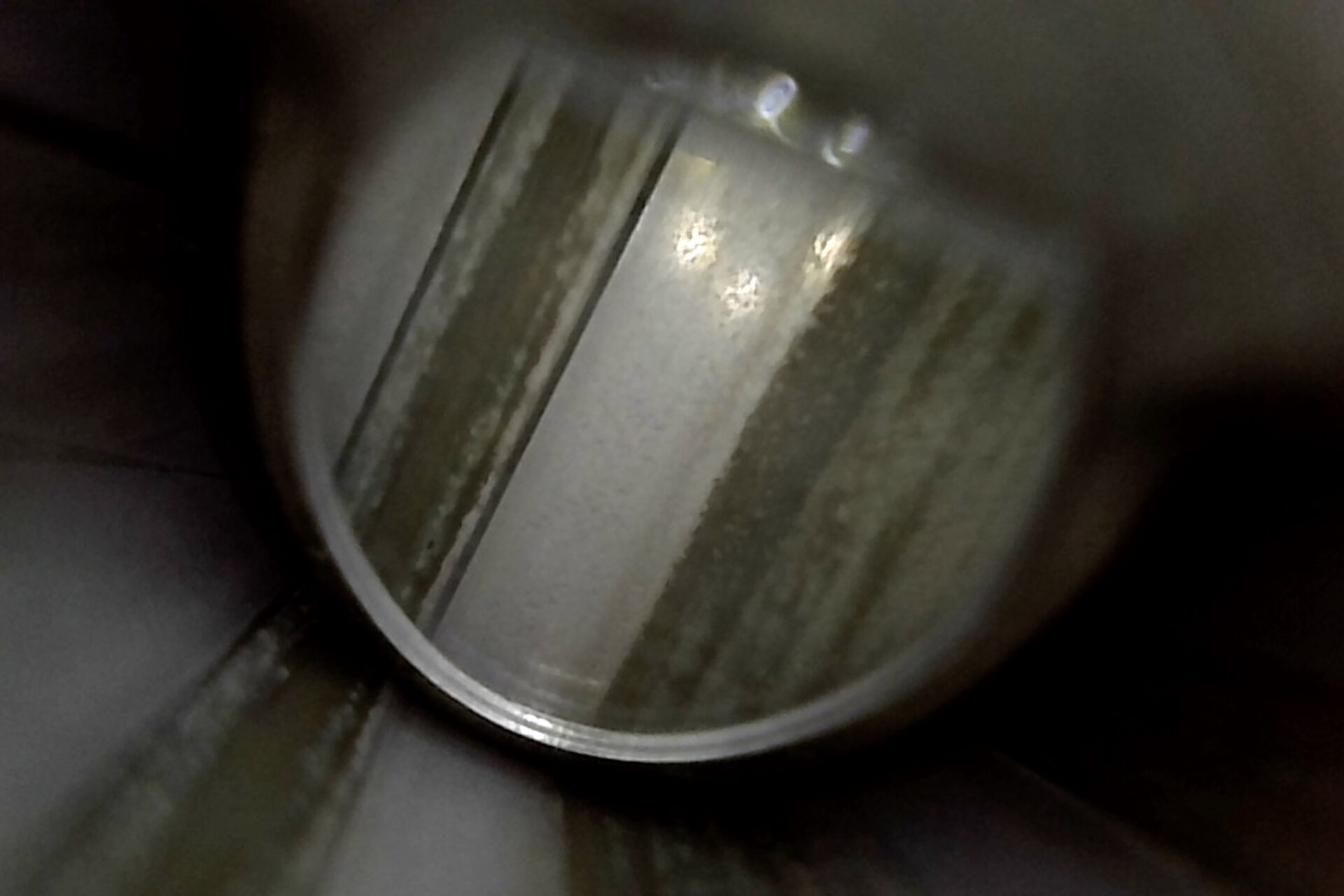
It’s the same story with carbon rings. They build up quietly and can cause all sorts of headaches – pressure issues, inconsistent velocities and general poor performance. Again, you won’t see them with the naked eye, but they stand out clearly under a borescope.
What surprised me – and I’ll be honest, it caught me off guard – was just how many of my own rifles had a decent carbon ring sitting there. I was convinced I was on top of it. Bronze brush, a few patches each clean, job done. That’s what I’d always done. Turns out, I wasn’t even close. Those rings were still there, building up over time, and I had no idea.
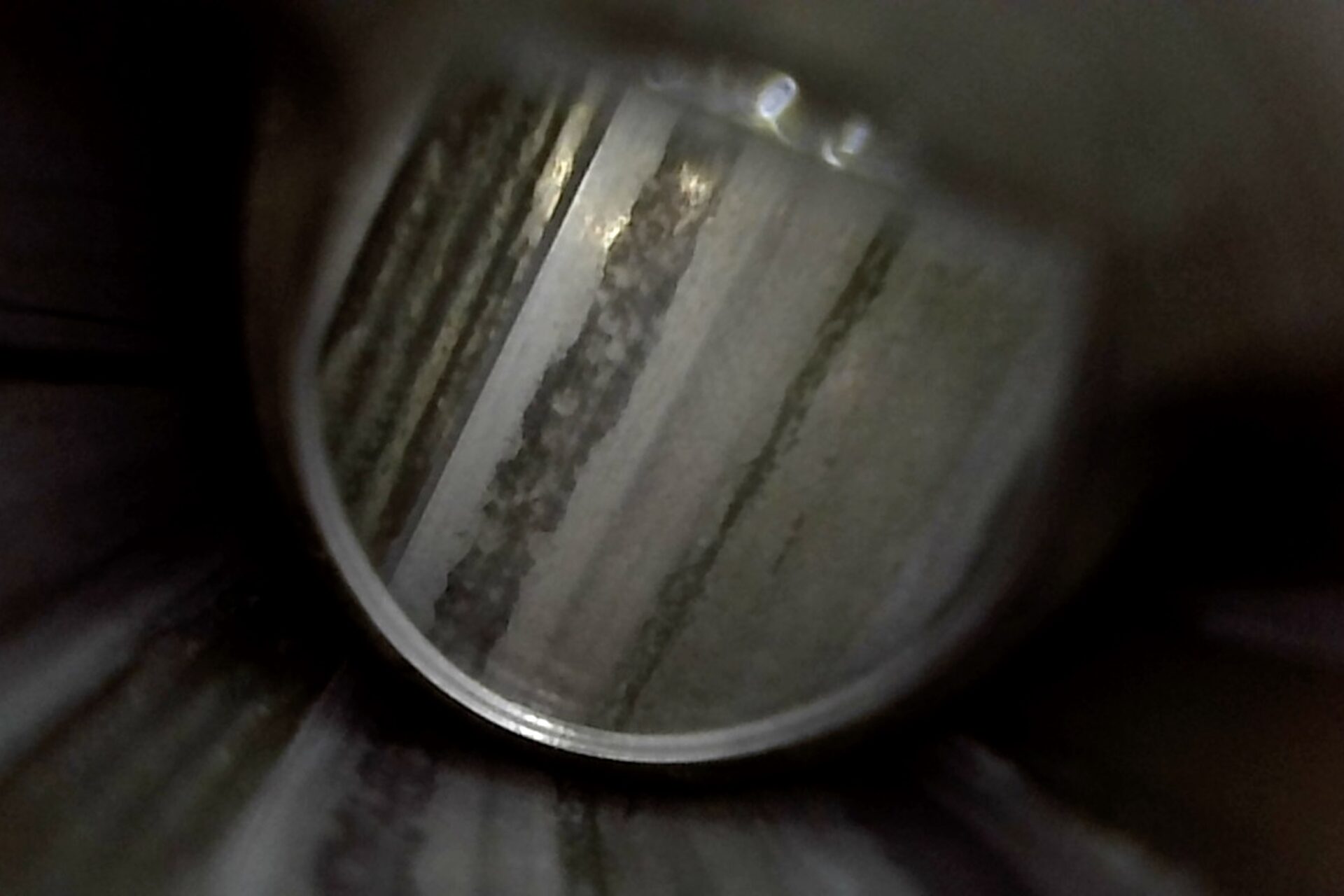
Once you’ve seen that for yourself, you don’ t ignore it again.
Where a borescope really earns its keep, though, is in the before-and-after comparison. This is where things get interesting. You inspect the barrel before cleaning, take note of what’s there, go through your normal process, and then check it again. Straight away you can see what worked and what didn’t.
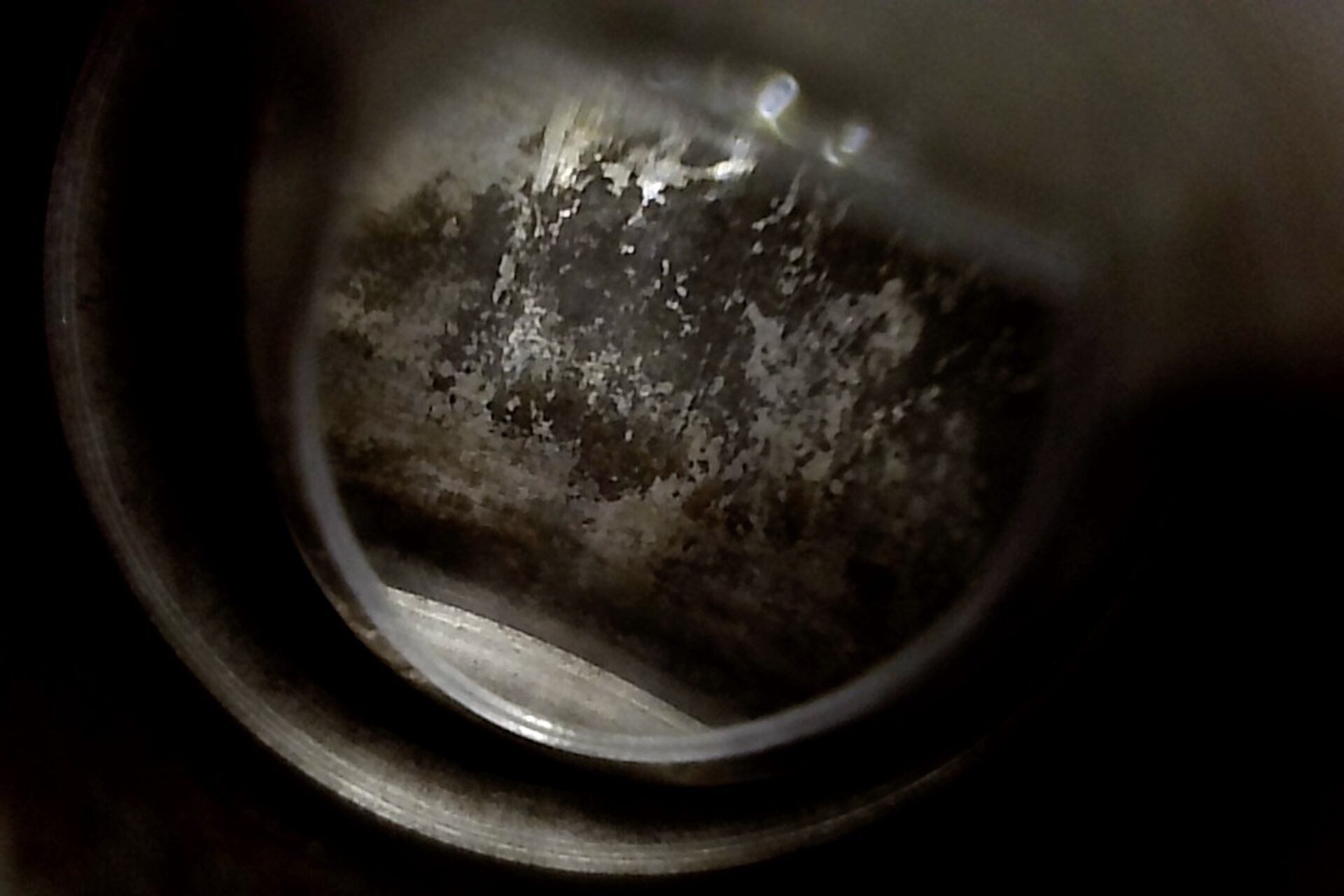
You might find your usual routine isn’t touching certain areas. You might discover that a solvent needs more time to do its job. Or you might realise that what you thought was a ‘quick clean’ isn’t even scratching the surface. That feedback loop is what improves your process.
Using a borescope itself is simple enough, but it does take a bit of patience. You can’t just shove it down the barrel and expect to understand what you’re looking at. Slow, steady movement gives you a clear picture, and after a few uses you start to recognise the differences between copper, carbon, and normal wear. What looks confusing at first, quickly becomes familiar. And once it does, you start to trust what you’re seeing.
What surprised me the most wasn’t just how much fouling was left behind, but how differently each rifle behaves. Some barrels foul quickly, others hardly at all. Some clean up easily, others take real effort. Without a borescope, you treat them all the same. With one, you start tailoring your approach to each rifle. That’s where the real value is.
At the end of the day, a borescope isn’t about making cleaning more complicated. It’s about making it more accurate. You spend less time guessing, less time wasting effort and more time actually achieving the result you’re after. It’s one of those tools that, once you’ve used it properly, you won’t want to be without. Not because it’s fancy, but because it shows you the truth.
And the truth is, most of us weren’t cleaning our barrels anywhere near as well as we thought we were.
