

Avian Influenza: A threat on the wing
By Joanne Heathcote
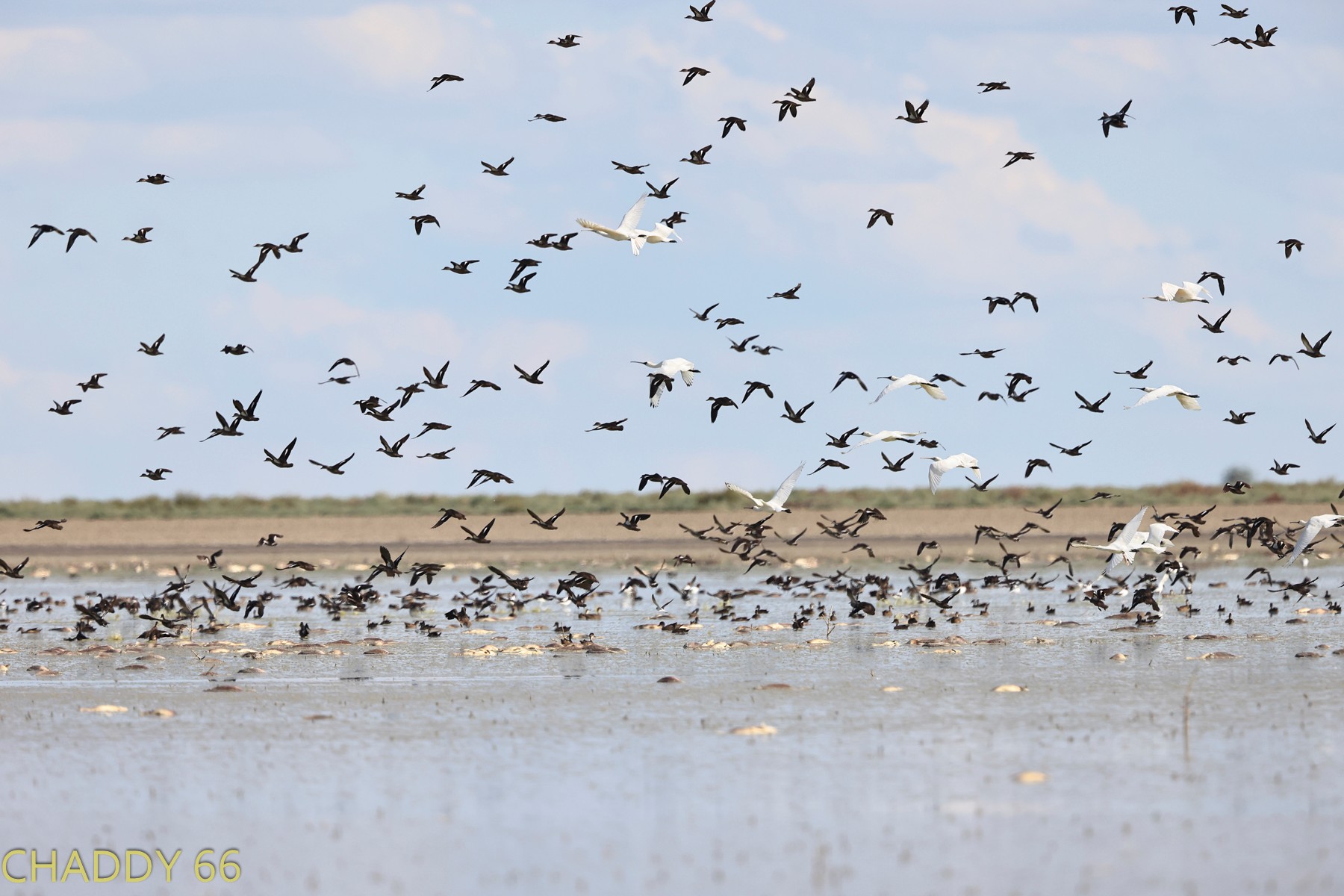
After widespread rains, parts of inland Australia are coming back to life. Wetlands that have been dry for years are filling again, and waterbirds are responding – moving, redistributing and concentrating in productive systems.
Each year, migratory species arrive in Australia’s north and east, mixing with local waterfowl in the very places many SSAA members spend time. Under the right conditions, that mixing can be enough to introduce and spread disease.
Avian influenza has already reshaped bird populations across much of the world. While Australia has so far avoided the worst of it (see Update at the end of the article), that margin is narrowing – and the implications for our native birdlife are becoming harder to ignore.
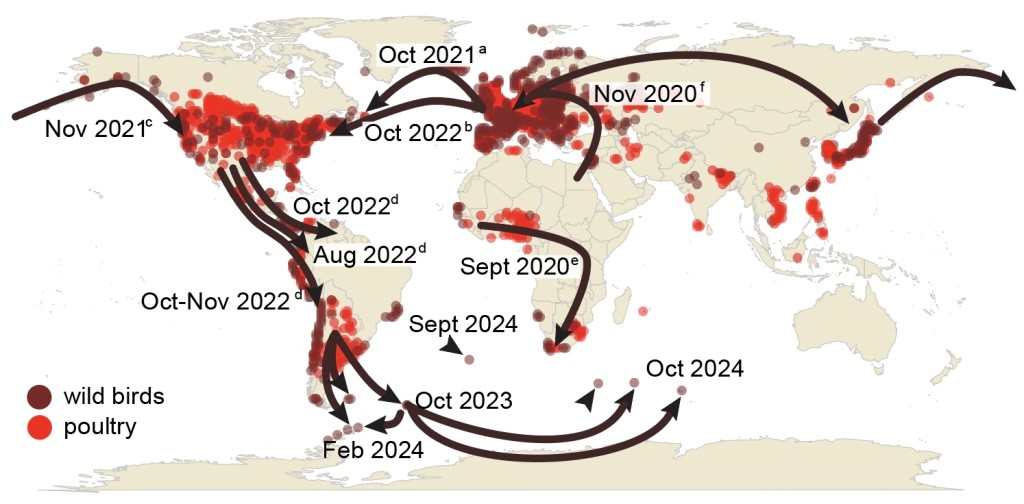
For years, ‘bird flu’ has been something most Australian shooters associated with poultry farms overseas. But the emergence of high pathogenicity avian influenza (HPAI), particularly the H5N1 strain, has changed that.
This is no longer just an agricultural issue. It’s a wildlife issue – and one that should be on the radar of anyone spending time in the bush around birds.
The strain driving global concern has spread across continents with unprecedented impact, causing large-scale mortality events in wild bird populations, particularly waterfowl and seabirds. In some regions, entire breeding colonies have been lost.
Australia, so far, has been fortunate. There has been no confirmed detection of this strain in mainland wildlife. But that buffer is looking increasingly fragile. A warning sign came from Heard Island, about halfway between us and the Antarctic, where H5N1 was detected in wildlife, including penguins and seals. Remote as it is, it brings the issue closer to home.
Each spring, migration brings increased risk, as birds arriving from overseas mix with local populations. Experts agree it is now a matter of when, not if, H5N1 reaches Australia. While spring is the most likely entry window, the spread of the virus across continents, including into sub-Antarctic regions, means it could arrive at any time.
Why SSAA members should pay attention
In other parts of the world, hunters have often been the first to notice something wasn’t right – and in many cases, the first to report it. Shooters spend time in places few others do and develop a strong sense of what is ‘normal’ in the landscape.
Many shooters regularly visit wetlands, floodplains and coastal systems – areas that attract migratory shorebirds and waterfowl. That puts them in a unique position as an informal early warning presence.
Recreational hunting of native waterfowl occurs in four Australian jurisdictions: Victoria, South Australia and Tasmania for ducks and in the Northern Territory, where hunting is limited to magpie geese, meaning many members already operate in environments where close interaction with waterfowl habitats is part of normal activity.
That familiarity matters. Subtle changes in bird behaviour or unexpected mortality are more likely to be noticed by those already on the ground.
Queensland: Conditions ripe for risk
Queensland sits within major migratory pathways, with birds arriving each year from Asia into areas such as Moreton Bay, the Gulf Country and inland wetland systems.
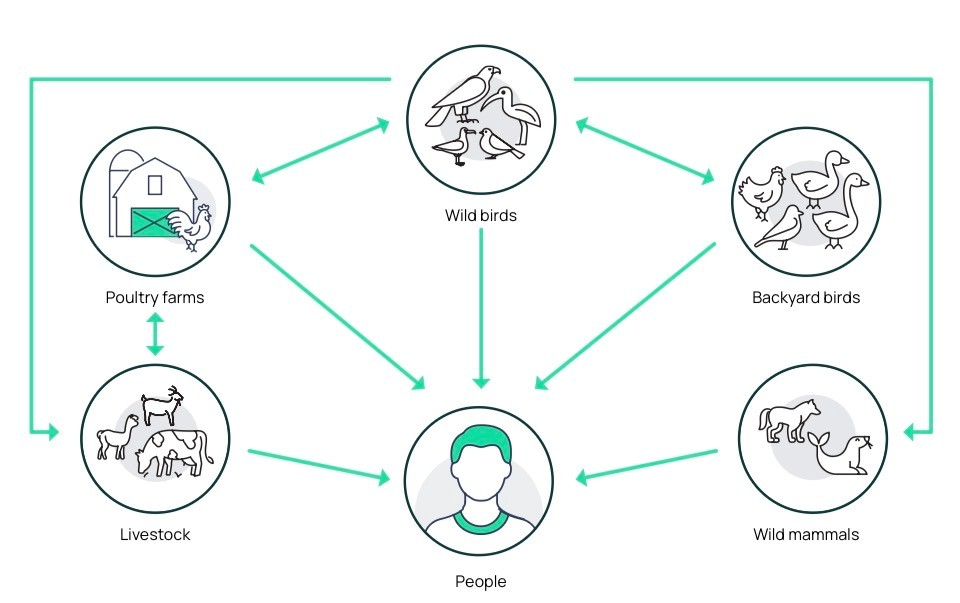
The most likely pathway for avian influenza entering Australia is via migratory shorebirds. If the virus establishes locally, however, waterfowl could play a key role in spreading it through connected wetlands.
Recent rainfall has reactivated inland systems. As wetlands fill, birds concentrate – often in large numbers – around productive areas. These are the same conditions that draw people into the field, but they also increase the potential for disease transmission.
Avian influenza spreads through close contact and contaminated water. When birds gather densely, the risk increases.
What it means in the field
For SSAA members spending time in waterfowl country, this is where the issue becomes immediate. Handling harvested birds is part of tradition. But with HPAI now a global concern, it’s important to recognise the signs.
Infected birds may appear disoriented, uncoordinated or show signs of illness. In many cases, however, the most obvious indicator is sudden death. A single dead bird is not unusual. Multiple dead birds in one location should always be treated as a warning sign.
What to watch for
The message is simple: awareness matters.
Keep an eye out for:
- multiple dead birds in one location
- birds showing unusual behaviour
- obvious signs of illness.
Avian influenza is a notifiable disease in Australia. If something doesn’t look right, report it via the Emergency Animal Disease Hotline (1800 675 888). Early detection remains one of the most effective tools available.
A shared responsibility
This is less about alarm and more about stewardship. SSAA members already carry a strong ethic of responsible field practice, grounded in respect for wildlife and the environments they move through.
Biosecurity is not just the role of government agencies. People on the ground – shooters, landholders and birdwatchers – are often the first to notice when something isn’t right.
Australia is not currently dealing with an outbreak in wild birds on the mainland. But the global situation makes one thing clear: this is no longer a distant issue. It is a developing one.
And like many aspects of fieldcraft, being informed, observant and responsible may be the most important tools we have.
Update from the author:
UPDATE – H5N1 Avian Influenza Has Reached Mainland Australia
At the time ‘Avian Influenza: A Threat on the Wing’ was written and published in the July edition of The Report, highly pathogenic H5N1 avian influenza had not been detected on mainland Australia.
That changed on 20 June 2026, when authorities confirmed Australia’s first mainland detection following the discovery of the virus in a wild Brown Skua in Western Australia.
While there is currently no evidence of widespread impacts on mainland Australian wildlife or poultry, the detection highlights why early reporting is so important.
This strain of H5N1 is unprecedented in its global spread, persistence, host range and ability to kill wildlife. It infects far more than birds and has been detected in more than 100 mammal species worldwide, including seals, sea lions, dairy cattle, cats and mink. The outbreak on Heard Island, where an estimated 13,000 southern elephant seal pups died, demonstrates the devastating impact the virus can have on even the world’s most remote and pristine ecosystems. Once H5N1 becomes established in wild bird populations, it is essentially impossible to eradicate.
Recreational shooters, hunters, birdwatchers, landholders and others who spend time in the field are often among the first to notice unusual wildlife mortality. Your observations can make an important contribution to Australia’s wildlife disease surveillance.
If you observe multiple sick or dead birds or other wildlife showing signs of disease:
• Do not handle the animals.
• Record the location (GPS if possible) and take photographs if it is safe to do so.
• Report your observations to the Emergency Animal Disease Watch Hotline on 1800 675 888.
Working together, we can help detect outbreaks early and support efforts to protect Australia’s unique wildlife.